Leadership and Cultural Inclusion with Nillumbik Shire: Preparing Future Council Leaders
Shankar
—Jan 15, 2025
Intent
Leadership in local government is no longer just about technical competence or policy knowledge. It increasingly requires the ability to lead across difference, navigate contested issues, and hold community trust in moments of complexity.
The leadership program delivered with Nillumbik Shire was designed to support emerging and future council leaders to think deeply about why cultural inclusion matters. not as a compliance requirement, but as a core leadership capability.
Activities
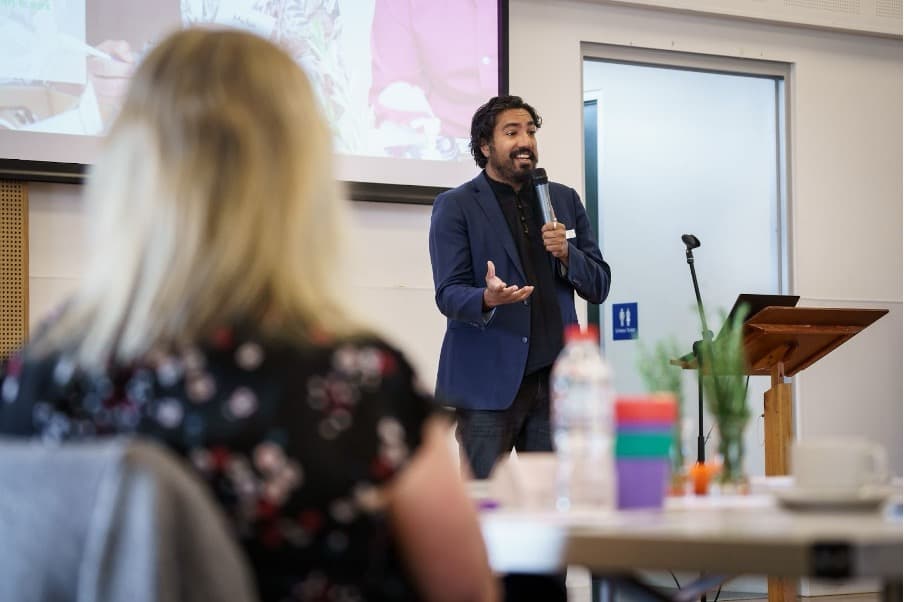
The program brought together staff identified as potential future leaders and created space for reflection beyond day-to-day operational pressures. Sessions explored how culture, power and identity shape leadership, both externally in community engagement, and internally within council teams.
Participants were invited to examine their own leadership journeys: what shaped their worldview, where they feel confident, and where uncertainty or fear can show up when working across cultural difference. We explored real scenarios drawn from council contexts — community conflict, representation, decision-making under pressure — and asked what culturally inclusive leadership looks like in practice.
Rather than prescribing answers, the program emphasised inquiry, humility and responsibility.
Learnings
A key learning was how hungry emerging leaders are for permission to think beyond technical fixes. Many participants expressed relief at being able to talk openly about complexity, ambiguity and discomfort — aspects of leadership that are rarely named in formal training.
We also saw how cultural inclusion sharpens leadership rather than diluting it. Participants began to articulate how inclusive practice strengthens decision-making, reduces risk, and builds long-term legitimacy with communities.
The program reinforced that leadership development is not about creating a single “right” approach. It is about equipping leaders with the confidence to ask better questions, listen more deeply, and act with integrity in environments where certainty is rarely available.
For Shankar, this work affirmed that investing in future leaders is one of the most powerful ways councils can embed cultural inclusion sustainably, not as a project, but as a leadership norm.